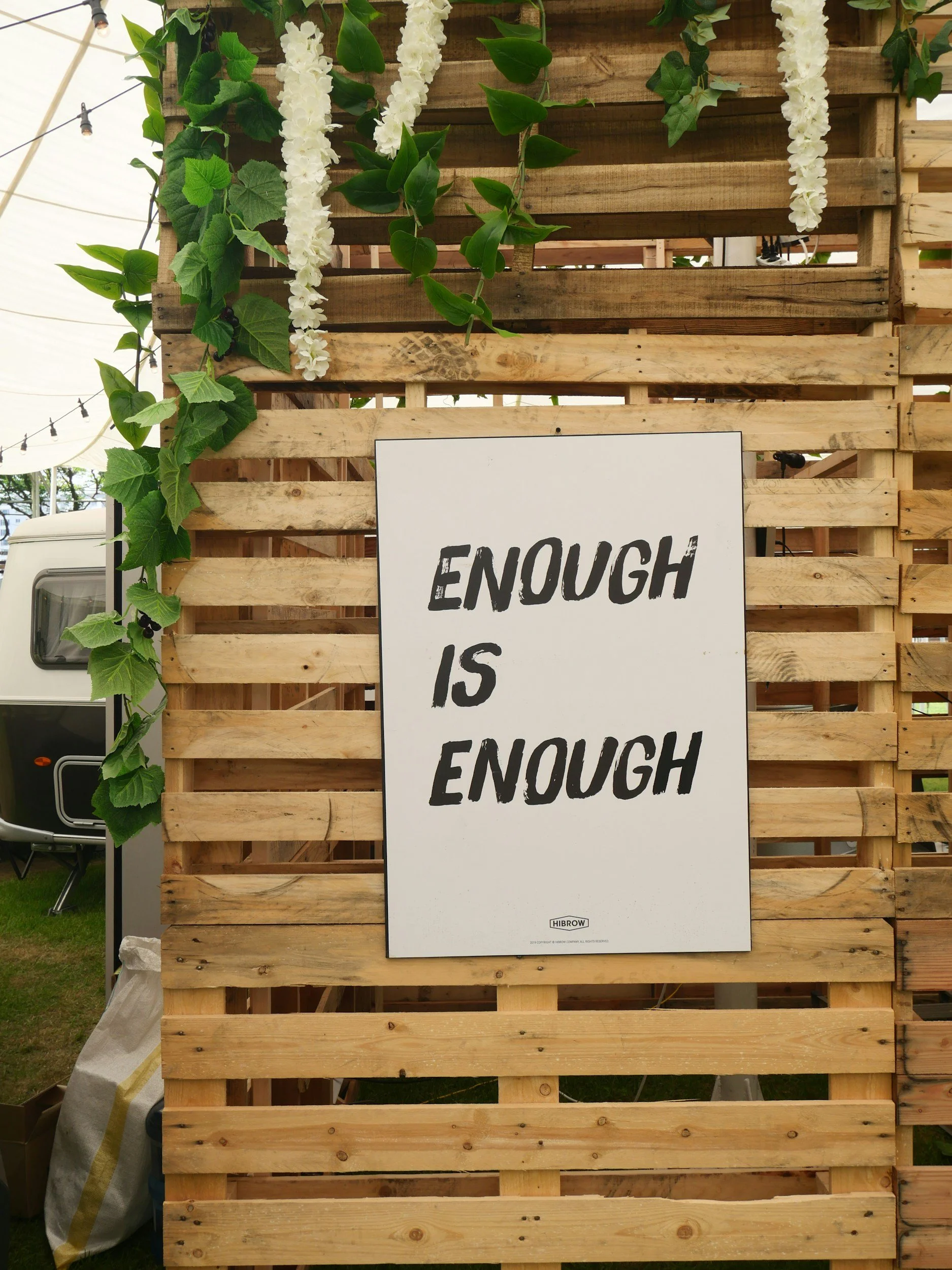
No one becomes a performing musician without possessing two things—an inner drive to succeed, and a love of the spotlight. These two things, along with our love of music, help us to stretch and grow as well as weather the inevitable storms and challenges that come with building a career in music. We learn not to settle for good enough because we know as soon as we do, we’ll cede the spotlight to another player who chose to strive for excellence. Through harnessing these two things we create careers for ourselves. What we rarely stop to ask ourselves is if we’re already doing enough and whether it’s time to stop climbing every musical and professional mountain just because it’s there.
It’s extremely difficult to choose to stop pursuing everything. The drive to keep chasing goals lies at the heart of the music profession, as well as the center of the can-do, “give it all you’ve got” attitude that defines American society. People give lip service to living more slowly, or choosing to step back from working too hard, but in a culture where success and self-worth are based on working full-on from the time we leave school until the day we drop dead, it’s frightening to choose to do less. In a culture where even retirees are expected to keep producing wins in order to maintain their worth to society, it’s a rare person who has the self-knowledge and financial security to choose to stop striving.
Unlike the individuals who need to be motivated to get off the sofa and get some work done, high level musicians suffer from the opposite problem: we need to be reminded when to ease up. Even when we take a little time off, the taskmaster in our own minds rarely becomes quiet. We tell ourselves that because we can do certain things that we should do them and that if we stopped we’d cease to matter. We chase these internal “shoulds,” trying to mold ourselves to a mirage of what we think we and our music need to be. Many times success follows these efforts, making it all the more difficult to walk away even when we know we’re feeling increasingly empty inside.
Emptiness is what happens when we refuse to acknowledge that we can only be first-rate pianists if we’re working within the very real gifts and limitations we have as people and musicians. It’s the result of sabotaging or disparaging the things that come easily to us and striving for those pieces or opportunities for which we really aren’t suited. We become musicians divided against ourselves. Our careers suffer. Our mental health suffers. Many times, our relationships suffer. We don’t ask ourselves if the rewards of one more recording, one more gig, one more barnstormer of a composition is worth all the effort we’re pouring into it.
When is enough enough? It’s the question that haunts us when we wake in the middle of the night or in those moments when no success fills our internal emptiness. But maybe we need to ask a different question, namely, what if we’re already doing enough? And what if the things that come easily to us are exactly what we’re meant to be doing, even if we’re not playing the world’s hardest repertoire or performing in the best venues? What if our relentless ambition has become a subtle form of internal abuse?
How do we know we’re pursuing unsuitable goals? When we’re losing a whole lot of energy whipping up enthusiasm to chase said goals and feeling little joy in working towards them. When a challenging creative project feels like discovery and joy rather than grim-faced drudgery, we’re on the right path, even if it’s difficult. Working on the projects that are ours to do isn’t always easy, but we know we’re traveling with the current of things rather than swimming against it.
There’s a kinder and easier way to pursue our dreams and it starts with putting aside all the assumptions we’ve adopted about what we’re supposed to do and look instead at what we actually do well. Sometimes when we list out all the things that come easily to us (musical and non-musical) we see that we’re already doing the things for which we’re best suited. Sometimes the goals we’ve been whipping ourselves up to accomplish are outdated—leftover dreams and assumptions that we can put down and walk away from. I’m a firm believer that if we’re meant to do something, we’ll know it and we’ll be given the resources to get that work done.
What are we doing today that feels as natural as breathing? What in our playing and our creative life are we dismissing because we never have to work at it? What things are we dismissing because we fear they’re not grand enough to matter? That’s where we start. These are the places where we’re working with the flow of life rather than against it. When we can anchor ourselves in what we’re doing well today, it makes it easier to examine the image we have of ourselves in a mythical future. Sometimes the big goal is still worth pursuing. Other times, this shift in perspective allows us to live within who we are rather than who we wish we could be.
We can do less, but do it better. We can ask ourselves if something we want is really better or if it’s just “more”. We can embrace and live the idea that just because we can doesn't mean we should. We can live within the quiet power of being exactly who we are gifted to be with such dignity that we don’t require outside validation. All we have to be is who we already are.
Photo by Suzi Kim, courtesy of UpSplash