Several months ago I stunned a friend when I mentioned that I was learning Chopin’s 3rd Ballade. He’d not unreasonably assumed that because I’ve devoted this blog and the biggest portion of my musical career to playing new music that I never played pieces by “dead guys.” I do favor new music, but feel grateful that the vast repertoire available to pianists isn’t restricted to current compositions. I love it all—even the pieces, like the Ballade, that I’ll most likely only play for myself.
Playing older repertoire is musical time travel. What I’ve found, however, is that when I go back to a piece from another era, I don’t travel to the past without the lessons I’ve learned while playing new music. Where once I would approach standard repertoire through the lens of vetted performance practice guidelines and generally accepted interpretation principles, I’ve discovered that working with living composers has made me much more feral about how I approach older music. I play with more curiosity and less reverence. And in all the best possible ways, my new perspective has taught me to treat the notes as living things, not Holy Writ.
I started playing the Chopin Ballade as I was finishing up my work on Chester Biscardi’s Madrigal. Through emails and over Zoom calls, Chet and I worked together to birth that new piece. What I didn’t know as I worked with Chet is how my understanding of the Ballade would be transformed by my immersion in Madrigal. As I played Chopin, I could hear the voices of classical music experts telling me how things should or shouldn’t be done, but, fired by my immersion in Chet’s music, I felt the freedom to ignore them. I looked at the phrases for what they were, not what people told me they were, and they fell into place. It felt easy because I was no longer rigid with the tension that comes from trying to do things correctly.
I’m grateful for the scholarship of experts that has opened older masterpieces to me. I cherish the recordings by fine pianists that hold me riveted by beauty. And I’ll not live long enough to pay proper homage to the teachers who patiently shaped and guided me to become the pianist I am today. But too many outside voices kills our inner guidance. And when we lose our own voices, we risk becoming mimics, not creators.
When I first started playing new music early in my career, I felt that it liberated me from the glare of critics and piano purists. No one knew what the piece was supposed to sound like so I was free to just focus on the music and play it to the best of my ability. Today, after a career in new music, I’m thrilled that it also cut the corset strings on the music of the past. The joy I feel in this can’t be captured in words.
Here’s what I know: there’s danger in treating scores as relics to be preserved rather than works of art into which we breathe life. There’s danger in listening so closely to the critics and the musicologists and the interpretations of other pianists that we never hear the heartbeat of the music for ourselves. We approach the score with fear, not playfulness, and we fail to find ourselves in the music and the music in ourselves.
This freedom is why I encourage pianists everywhere to play music by living composers, or to take up jazz, or perhaps both. Integrate the lessons of standard repertoire interpretation, but play outside the piano temple frequently enough that you never, ever forget that music is a living, breathing thing, a language of the present, not just the past. Cut the corset strings of what’s “correct” and cavort with beauty instead. This is how we keep old music alive in the 21st Century. This is how we keep it alive in ourselves.
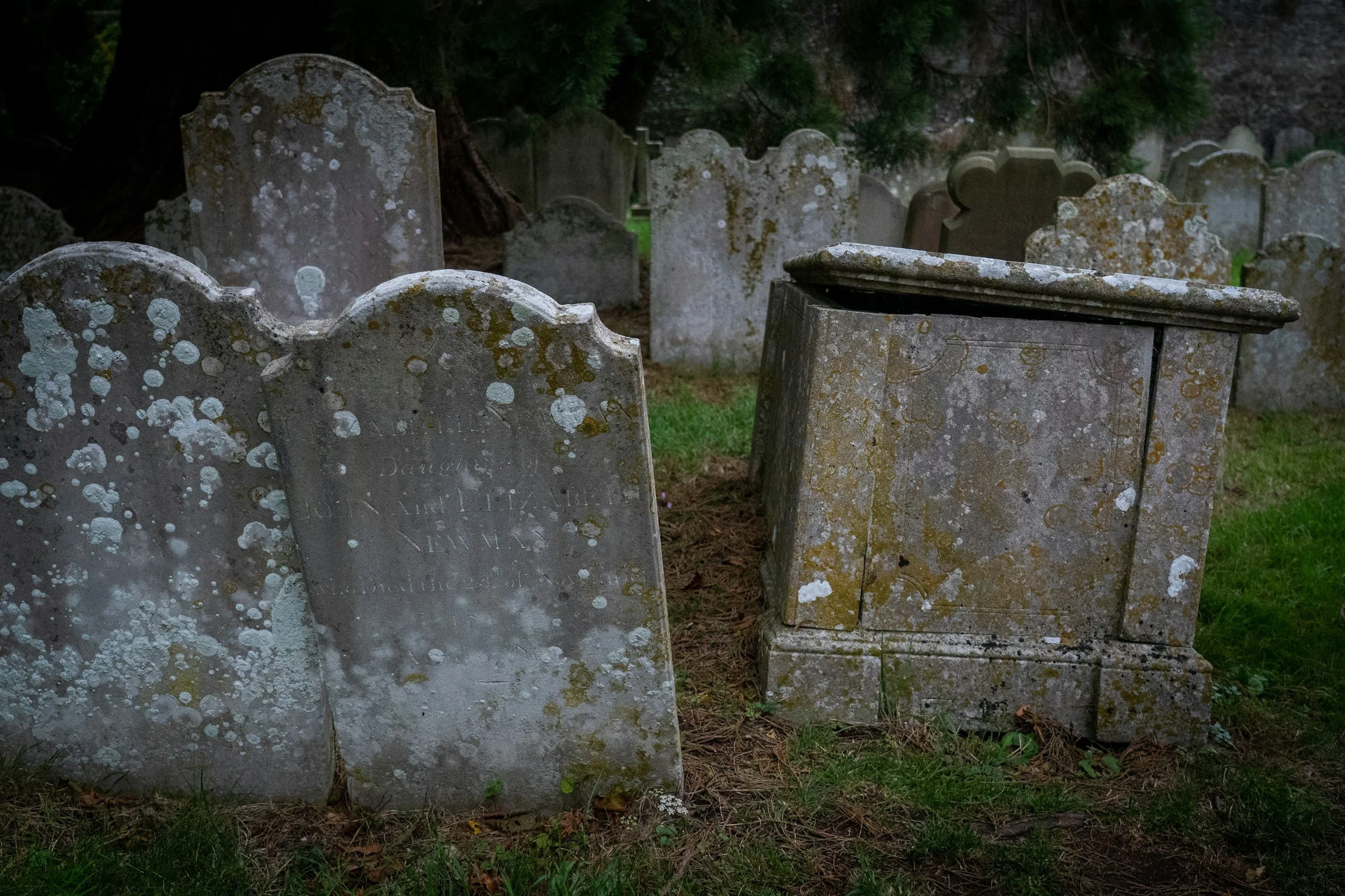
Photo by Nick Fewings, courtesy of UpSplash