The power of ordinary practice days
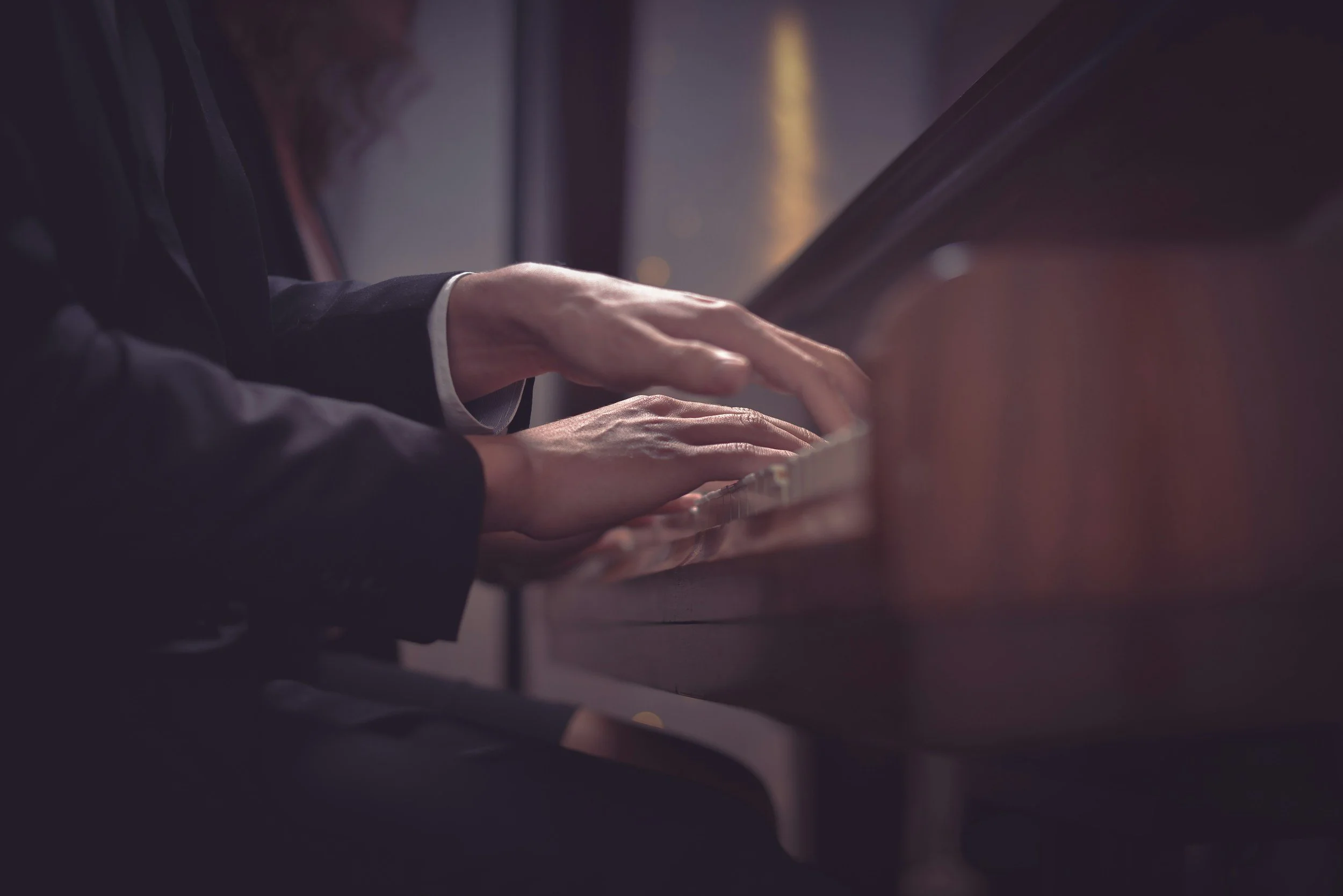
Why did you choose to play the piano? If you’re like most of us, it’s because you heard someone playing something beautiful. Perhaps you were also drawn to experiment on your own by pressing the keys, making up your own songs, or working out melodies you knew by ear. What no one ever says is that they were drawn to the piano because they wanted to spend hours practicing. We fall in love with the beauty of a finished piece, not the hard work that trained the pianist to play it so well. In our hearts, we all just want to sit down and play.
Many people begin piano training but a large number of them eventually abandon lessons. Sometimes this happens because the piano isn’t a good fit for them. Sometimes competing interests and demands win out. Most of the time, however, those who quit playing do so because they grow fatigued with the routine of practicing. Sometimes I think that the line that separates pianists from those who stopped playing isn’t talent but rather a tolerance for average and ordinary practice days.
In a world that celebrates hype and instant success, ordinary feels like failure. Most of us if pressed would admit that we want the glory but not the boredom of a daily routine. At the piano, ordinary asks us to keep reinforcing the fingering in a certain passage. It asks us to work slowly, diligently, and meticulously. Ordinary may ask us to spend days refining one section. It requires focus and patience. Ordinary insists that we delay gratification. It gently asks us to stop seeking instant success and to find the beauty that can only be seen when we stop expecting everything to be extraordinary.
When the practice routine starts to feel like drudgery, or when we grow frustrated with the complications we find in the score and with our own limitations as musicians, it can be easy to complain. A colleague of mine used to call me after particularly grueling practice days and tell me he was going to burn his piano. I understood; more than once I entertained the idea that life would be easier if I just sold my instrument and went to work in a shop instead of spending day after day wrestling with my limitations.
Those moments of frustration are natural and when we get fed up (and we all get fed up) the best thing we can do is to step away from practicing for the day, or a few days, or perhaps even longer. Time and distance help us find the things we truly value about our commitment to playing the piano. For me, time away reminds me that what I find most meaningful about a lifetime of practicing isn’t the glory of a performance but rather the socially-sanctioned immersion into a sound world of beauty and hope. The price of entry into this world is effort and attention. And as the piece assembles under my fingertips, I know the thrill of participating in the recreation of something healing and noble.
Ordinary practice days look much like this for all of us. We sit at the piano. The score is open in front of us. We have our pencil or stylus, our glass of water or tea, and we have the block of time we’ve dedicated to our work. We reinforce notes. We work on technique. We explore interpretive options. We spend an extraordinary amount of time troubleshooting. We make progress, but usually less than what we’d hoped. We walk away from the piano at the end of our practice session with a sense of accomplishment and a mental or written list of what we hope to work on the next day.
Extraordinary practice days look much like this for all of us. Achingly beautiful music is open in front of us, inviting us to discover its secrets and make the lines our own. We have our lucky pencil and our favorite tea and we have the privilege of time and peace and a magical instrument that has, over years of acquaintance, become a friend. We revel in the passages that are becoming easier to play. Our fingers dance through interpretive options. We reinforce the tricky parts with the knowledge that time and practice will one day make them feel easy. We celebrate the progress we make. We walk away from our practice session knowing we did our best and—most importantly—feeling grateful that of all the ways we could be spending our time, we are privileged enough to spend ours communing with music.
In piano playing and in life, ordinary moments are what make our days. These tiny, seemingly insignificant moments are the pebbles that create the mosaic of who we are as people and musicians. Real music making (and real life) happens in ordinary moments. If we’re lucky, the extraordinary moments will come our way, but they’re built on the foundation of ordinary. The phrase played just so. The technical passage that finally works. The quiet that descends as the last notes fade away. These things are offered to us each ordinary practice day. All these moments ask of us is that we stop seeking glory long enough to see how extraordinary the ordinary truly is.
Photo by Kiwihug, courtesy of UpSplash