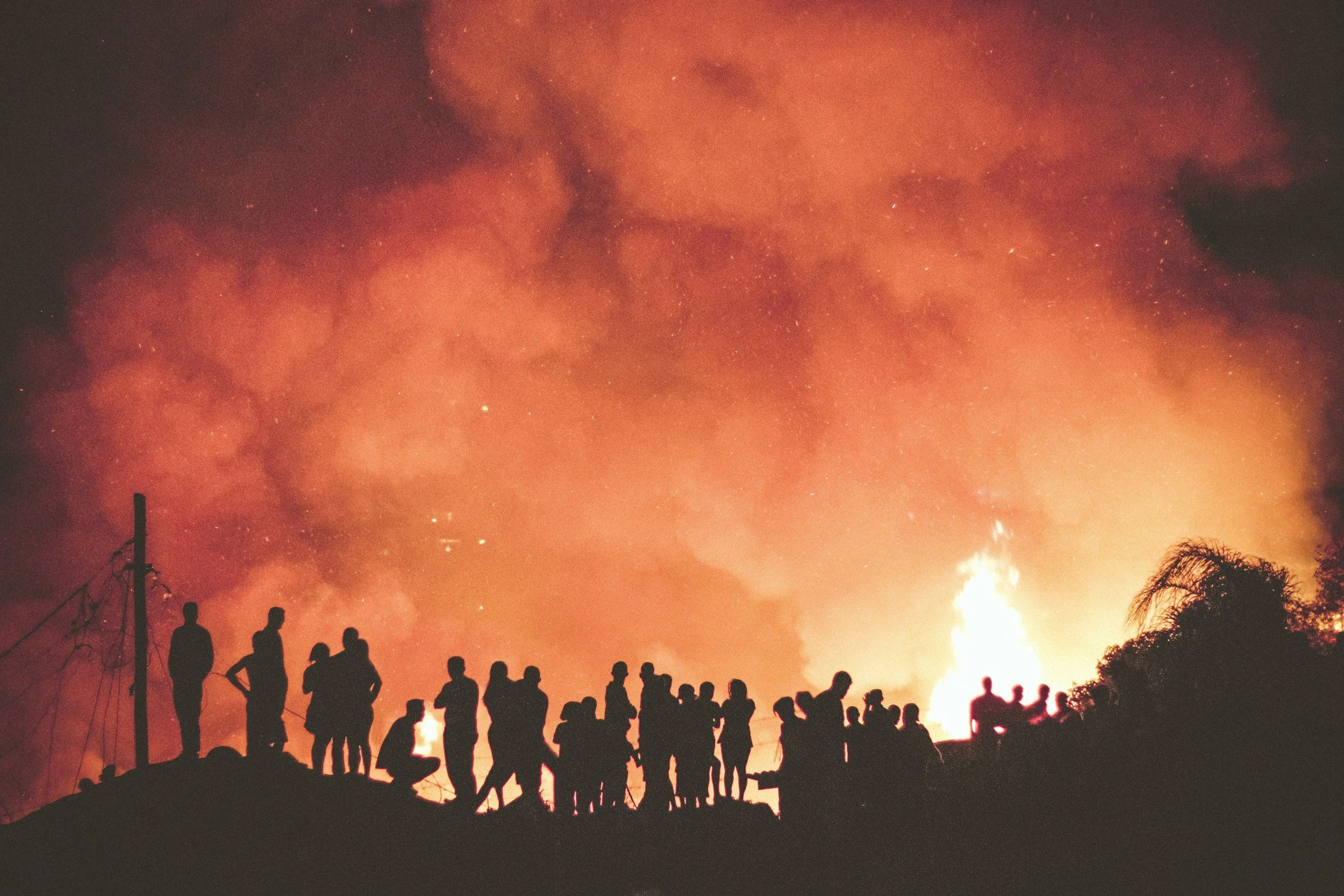
Playing while Rome is burning
15 to 22 million people died in WWI, and by the time the war ended, maps had been redrawn, new ideologies were taking hold, aristocracies were weakened, and imperialism was being challenged. After decades of believing that human beings were evolving and that society was getting better, everything unraveled. Yet somehow, in a landscape stripped of faith and reeking of death, Ravel wrote Le Tombeau de Couperin, each movement a tribute to a fallen friend. Hemingway wrote A Farewell to Arms. Vera Brittain wrote Testament of Youth. Wilfred Owen and Sigfried Sassoon wrote timeless poetry. Stripped of the external structures that provided meaning, these artists (and others) found purpose, and they created works of art that still resonate with us over a century later. Perhaps that’s why, after I felt unable to play or write for much of November and all of December, I turned to the music and literature of the early 20th century to find inspiration.
For the past year and a half I've been thinking about what to play or write when things are falling apart. When the old order is being destroyed. When the news cycle brings a daily blizzard of violence and lawfare. When remaining mentally healthy in the face of destruction takes so much energy. What do we say when even the most innocuous statement gets attacked with rabid political vitriol? What do you play or write or create when everything you’ve thought was solid ground is sliding out from underneath you? How do you practice when you want to escape but know that you’re trapped? Where do you find meaning while being pummeled by messages of hate and revenge? How, in other words, do you continue to practice the piano when Rome is burning?
I suspect that many of you are also suffering, regardless of what side of the political divide you inhabit. The US is in the middle of a national family feud and it’s shredding us apart. When faced with families and friendships and communities and a nation full of angry, hurting people, we’re given an important question: what can we do to avoid adding to the hate? How can we find meaning and purpose for ourselves, and once we do, how do we become part of the rebuilding process that will need to happen when the rage that engulfs this country has burned itself out?
I didn’t pull out of my inability to play or write until the second week of January. Hope and direction arrived when I realized that what I was fighting against has already happened—that what I thought was the world order and who I thought we were as a country is gone. The ship may right itself, but what once was won't return. It may be a fatalistic perspective but it helped me change my thinking from being panicked about something I can’t fix to asking myself what I can offer people as things continue to fall apart and how I can help rebuild when we've offered enough blood sacrifices to vengeance. Yes, very dark thinking, but it did point me to the music and writing of the past. It got me playing again, and eventually writing as well. It offered me a way out of myself and allowed me to reach out to the people I care about. It moved me to write to my political representatives and urge them to act in the best interest of the country and the world. It reminded me that in the end, the only real difference most of us can make is through the care we give one another.
No political leader is forever, nor is any political movement. But our communities and families and friends will be there when this is all over. The history of the world reminds us of this over and over again. We may not be able to stop or change things now, but we can change our world through acts of kindness, through community-building, through listening, and through forgiving. It’s a choice. It’s a choice to choose connection over accusation. It’s a choice to choose forgiveness over self-righteousness. It’s a choice to build a life on the bedrock of love rather than retribution.
How do you play the piano when Rome is burning? By accepting what we can’t change and committing to what we can. By remembering that the notes we play can reach people when they’re so angry that they parse every word. My answers may not be yours, but I hope you’ll find your own solid ground—one that allows you to serve the people in your life with an open heart. May we each find the oil that lights our lamps so we can shine as beacons of hope for those around us. May all of us who dream of a gentler, more compassionate world commit to creating it through one kind word, one generous act, and one beautiful note at a time. This is my hope in a world made mad with rage.
Photo by Denys Argyriou, courtesy of UpSplash